Why do some piercings not heal?
By Kalli

Have you ever had a body piercing? If you have, you might have wondered how they heal and why sometimes they don’t. When a piercing doesn’t heal, it is called rejection. This can cause people a lot of pain and frustration. Lots of people have piercings but not all of them are rejected. Why is this? Let’s find out by taking a look at the science behind this!
A piercing is an intentionally created wound, usually made with a sterile needle, that means someone can wear body jewellery such as earrings. Because the piercing is a wound, the body needs to go through a healing process. However, this can sometimes go wrong.
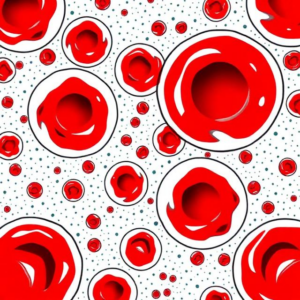
The normal healing process can take weeks to months. During this time, the body goes through several stages of healing, which leads to the formation of something called a fistula, which is a tube of new skin tissue. Immediately after the piercing, red blood cells rush to the area and clot to stop lots of excess bleeding happening. White blood cells then travel to the site of the piercing. These cells produce a primary immune response, which is the body’s way of fighting off nasties and trying to heal. White blood cells help the tissues begin to heal. At this stage, crusty bits can form on and around the piercing and the area can be red and sore. Then skin cells begin to multiply and a very fragile tube of skin is formed. As new blood vessels and collagen form the fistula thickens and becomes stronger, more healthy skin.
So what is rejection, why does it happen and what part of the healing process doesn’t work? Rejection is where the body tries to physically move the the jewelry out of the body. This is different to minor irritation or an infection. When rejection occurs, jewellery is moved and pushed out, the skin can go transparent or peel and there can be some clear fluid that leaks out of the piercing. This fluid is lymph fluid, which is found in the lymphatic system and carries white blood cells. This is because instead of healing up like a normal piercing, the rejected one is not accepted by the immune system, so lots of white blood cells are still produced rather than the immune system calming down after a while.
Rejection can occur for lots of reasons. It can be caused by low quality jewellery that might contain allergens such as nickel that can cause people to have a reaction to it. Jewellery that’s the wrong size and repeated snagging and pulling of the jewellery when it’s trying to heal also increases the risk of rejection. Unfortunately, some people are more likely to have a piercing rejection because of their genetics. Some piercings are more prone to rejection. Earlobe piercings have a low rejection risk because they have thick and fleshy tissue with lots of good blood circulation to help the wound heal, but an eyebrow piercing has a much higher rejection risk due to thinner skin, the movement of the face and that the piercing is very shallow.
When rejection happens, instead of building a fistula, localised enzymes are produced which help break down the skin and tissue around the jewellery. New skin cells are produced behind the jewellery, which means it gets pushed out of the body.
Sometimes a fully healed piercing can suddenly start to reject. This usually happens due to more severe trauma to the piercing site, body changes like weight fluctuations, or immune system stress. Even after years, your body never forgets that the jewelry is a foreign object. The fistula separates the jewelry from the rest of the body to protect you. However, when you get sick or really stressed, your immune system redirects its energy to fight the new threat, which weakens the fistula. Without this barrier, your immune system flags the metal as an invader! Since white blood cells cannot destroy metal, your body breaks down the surrounding skin to push the jewellery out.
What should you do if you think your piercing is being rejected?
It’s important to speak to a piercing expert about whether your piercing is being rejected or not as they have loads of experience and can provide you with advice on what to do. Rejected piercings may have to be removed to allow a healing process to occur, which means the hole will heal up and may leave a scar, but that the skin will settle and stop producing an angry immune response.
Other ways piercings don’t heal
A piercing may not heal due to other factors:
– Not following the aftercare instructions. – Smoking cigarettes, which contain nicotine, causing blood vessels to constrict and reducing the amount of nutrients and oxygen that reach the piercing site to heal it. – Going swimming or showering too soon after you have the piercing done. A damp environment is ideal for bacteria, which can reproduce and cause infection. – Infection may also occur due to good bacteria that lives in the skin entering the piercing wound. To prevent this, piercers should clean the skin with an alcohol wipe to remove any bacteria.
Can you reduce the likelihood of rejection and help your piercing heal?
Following the aftercare instructions that your piercer provides is crucial to helping your ears heal up quickly, as well as choosing good quality, nickel free jewelry. Going to a reputable piercer who uses sterile and professional equipment is also important. Because rejection can be caused by pulling or snagging the wound, it’s best to try and leave it alone whilst it is healing. However, because people can be genetically inclined for piercing rejection, it is not always possible to stop it happening.