Why Do People Snore?
By Emma

“Zzz…” We’ve all heard someone snore. It’s one of those common and annoying habits that just seem to be impossible to change. In fact, around 45% of people snore occasionally, while 25% snore regularly. But what actually causes that familiar night time noise? The truth is, snoring is really just the vibration of muscles. When you go into deep sleep, the
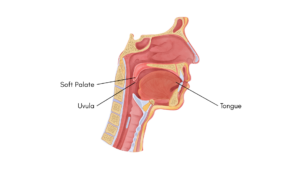
muscles in your mouth, such as the tongue, soft palate, and throat, relax, narrowing your airways. As you breathe, the air passing through these narrowed airways causes the surrounding relaxed muscles to vibrate, producing the familiar snoring sound. A few conditions can make snoring worse. Having a thick soft palate or an elongated uvula (the
flesh that hangs down at the back of the throat) can obstruct airflow and increase vibration, leading to a louder snoring sound. This is especially common with people who are overweight, where they may have extra tissues at the back of their throats that can block airflow. Likewise, consuming alcohol can also hinder airflow and worsen snoring, as it relaxes the throat muscles and restricts the airway. Furthermore, alcohol delays the brain signals that detect collapsing airways and dehydrates mucosal tissues, making them stickier, both of which can lead to a louder snore.
While snoring is common and often harmless, frequent or very loud snoring can sometimes be a sign of Obstructive Sleep Apnea (OSA). For people with OSA, their airway becomes completely blocked for short periods during sleep, causing breathing to repeatedly stop and start. As oxygen levels drop, the brain briefly wakes the body to reopen the airway, often accompanied by a loud gasp or snort. These repeated interruptions prevent deep sleep and can increase the risk of high blood pressure, heart disease, stroke, and many other health conditions. Fortunately, not all snoring requires medical treatment. Simple lifestyle changes like maintaining a healthy weight, avoiding alcohol before bedtime, and treating nasal congestion can often reduce snoring. However, if snoring is accompanied by choking, gasping, or excessive daytime sleepiness, it is important to seek medical advice, as those may be signs of OSA rather than ordinary snoring.
So, the next time you hear someone snoring, remember that it is more than just an annoying nighttime noise, it’s the sound of vibrating tissues as air squeezes through a narrowed airway. Understanding why snoring happens can help us distinguish between a harmless habit and a condition that deserves medical attention.